How can we avoid kitchen waste when wholesaling small vegetables for commercial use?

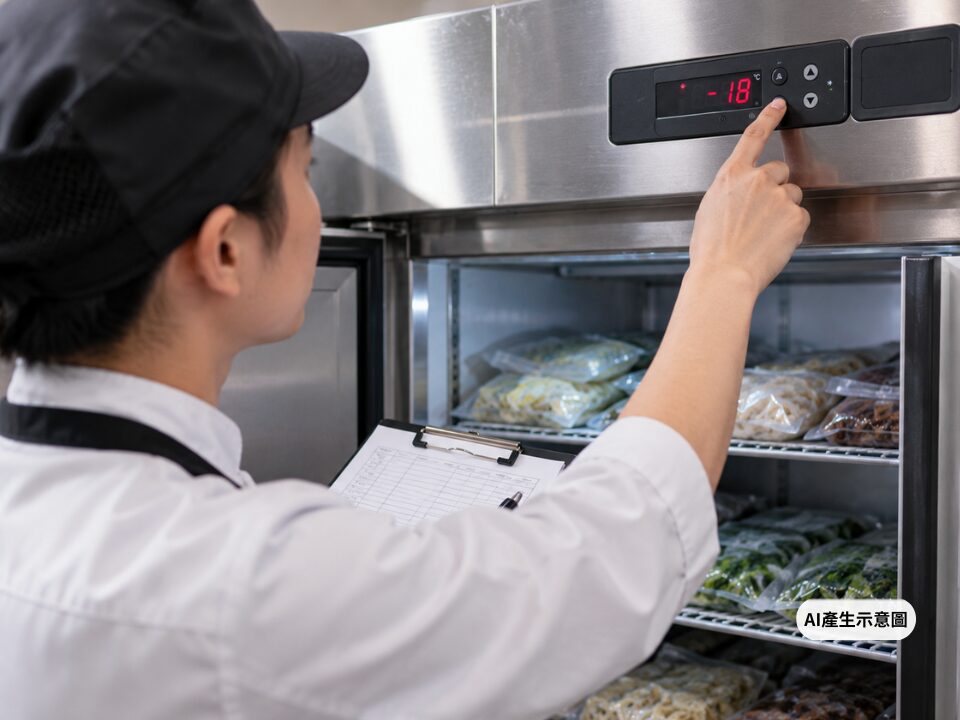
How to minimize kitchen waste after wholesale orders of commercial side dishes arrive? This guide explains four common sources of waste and their prevention methods, covering everything from maintaining the cold chain, shelf-life management, thawing SOPs, to return processing. A practical procurement guide to reduce hidden costs.

How to minimize kitchen waste after wholesale orders of commercial side dishes arrive? This guide explains four common sources of waste and their prevention methods, covering everything from maintaining the cold chain, shelf-life management, thawing SOPs, to return processing. A practical procurement guide to reduce hidden costs.

How can I avoid making mistakes when placing a trial order with a small vegetable wholesaler for the first time?

When placing a trial order with a small-scale vegetable wholesaler for the first time, what are the 5 key questions to ask? From sample costs, minimum order quantity, inspection standards and documents, quality acceptance to subsequent cooperation terms, this guide outlines the key points to confirm before and after the trial order. A must-read for B2B catering procurement professionals.

When placing a trial order with a small-scale vegetable wholesaler for the first time, what are the 5 key questions to ask? From sample costs, minimum order quantity, inspection standards and documents, quality acceptance to subsequent cooperation terms, this guide outlines the key points to confirm before and after the trial order. A must-read for B2B catering procurement professionals.

How to change side dish suppliers for your restaurant? 5 steps to reduce the risk of stockouts.

The side dishes served daily in a restaurant may seem like mere supporting elements on the menu, but they directly impact food preparation efficiency and customer experience. If suppliers experience delivery delays or inconsistent quality, the kitchen may have to find temporary substitutes, increasing the pressure on procurement and preparation.

When restaurants cooperate with the same side dish suppliers for a long time, they will inevitably encounter price adjustments, stockouts, delivery delays, or differences in product quality.
But if a problem occurs, is it necessary to immediately change suppliers?
That's not necessarily true.
Changing suppliers also incurs costs, including re-testing, confirming specifications, adjusting menus, calculating portion sizes, and establishing new ordering processes. Therefore, what truly needs to be observed is whether the problem recurs and begins to affect food preparation, costs, or operational efficiency.

How can chain restaurants maintain the same flavor for their side dishes across multiple locations?

How do chain restaurants ensure consistent taste across multiple locations for their side dishes? The key lies not in store management, but in batch control and daily quality assessment systems at the supplier level. This article breaks down the quality consistency SOPs of professional suppliers to help chain restaurant buyers identify suppliers who can truly achieve this.

How do chain restaurants ensure consistent taste across multiple locations for their side dishes? The key lies not in store management, but in batch control and daily quality assessment systems at the supplier level. This article breaks down the quality consistency SOPs of professional suppliers to help chain restaurant buyers identify suppliers who can truly achieve this.

What is the minimum order quantity for wholesale side dishes for commercial use? Orders start from boxes; small and medium-sized restaurants can easily cooperate.

What is the minimum order quantity for wholesale side dishes for commercial use? Many small and medium-sized restaurants are deterred by the perceived high barrier to entry. This article explains the actual minimum order quantity standards, the sample tasting process, and the preparations that small and medium-sized restaurants should make before planning a partnership.

What is the minimum order quantity for wholesale side dishes for commercial use? Many small and medium-sized restaurants are deterred by the perceived high barrier to entry. This article explains the actual minimum order quantity standards, the sample tasting process, and the preparations that small and medium-sized restaurants should make before planning a partnership.

When should a restaurant change its side dish supplier? 7 signs to determine if a reassessment is needed.

Restaurants that have partnered with the same side dish supplier for a long time are bound to encounter issues such as price adjustments, stockouts, delivery delays, or product quality differences. But should they immediately switch suppliers after just one problem? Not necessarily. Switching suppliers also incurs costs, including retesting, confirming specifications, adjusting menus, calculating portion sizes, and establishing new ordering processes. Therefore, what's truly important to observe is whether the problem recurs and begins to impact food preparation, costs, or operational efficiency.

When restaurants cooperate with the same side dish suppliers for a long time, they will inevitably encounter price adjustments, stockouts, delivery delays, or differences in product quality.
But if a problem occurs, is it necessary to immediately change suppliers?
That's not necessarily true.
Changing suppliers also incurs costs, including re-testing, confirming specifications, adjusting menus, calculating portion sizes, and establishing new ordering processes. Therefore, what truly needs to be observed is whether the problem recurs and begins to affect food preparation, costs, or operational efficiency.

Snack shop short-staffed? Here's a look at the division of labor for side dishes and ingredient preparation.

Snack shop short-staffed? Here's a look at the division of labor for side dishes and ingredient preparation.

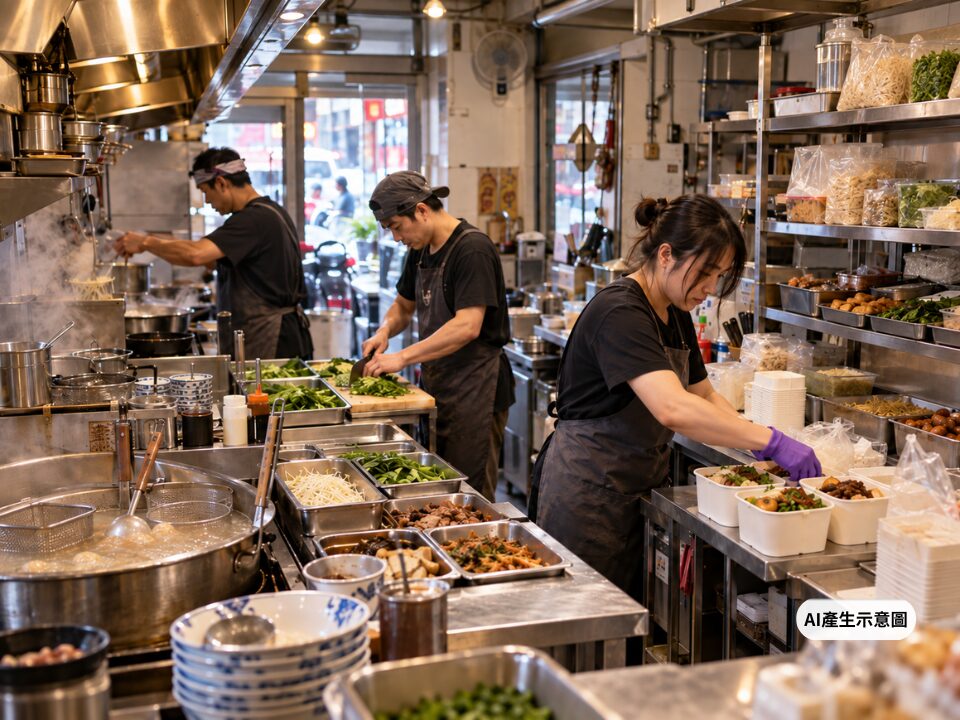
When opening a new snack shop, a very real problem often arises: the menu is planned, but once you actually start operating, you find that you don't have enough staff.

In the morning, you have to wash and chop vegetables, make soup, braise meat, and prepare sauces. At noon, you have to cook noodles, pack rice, pack takeout, and handle payments. In the evening, you also have to clean up and prepare ingredients for the next day. If there are only 2 to 3 people, and you have to make all the dishes yourself from the ingredients, it's easy to get overwhelmed even before peak hours.

Therefore, when a snack shop is short-staffed, it can first divide the food into three categories: items that must be cooked by the shop owner, items that can be prepared in advance, and items that are suitable to be handled by suppliers.

How to create an autumn/winter menu? Four principles for pairing side dishes for business use.

Autumn and winter set menus should be layered, not just about making every dish richer and hotter. Stews, curries, fried foods, and hot soups provide warmth and a sense of fullness, while side dishes can use sweet and sour flavors and different textures to change the taste experience, avoiding a build-up of strong flavors.

When choosing side dishes for takeout and delivery bento boxes, taste shouldn't be the only consideration. Other factors include suitability for the container, potential for water leakage, and preservation of appearance after delivery. Properly selected wholesale Japanese frozen side dishes can help restaurants improve their food preparation efficiency and container quality.