
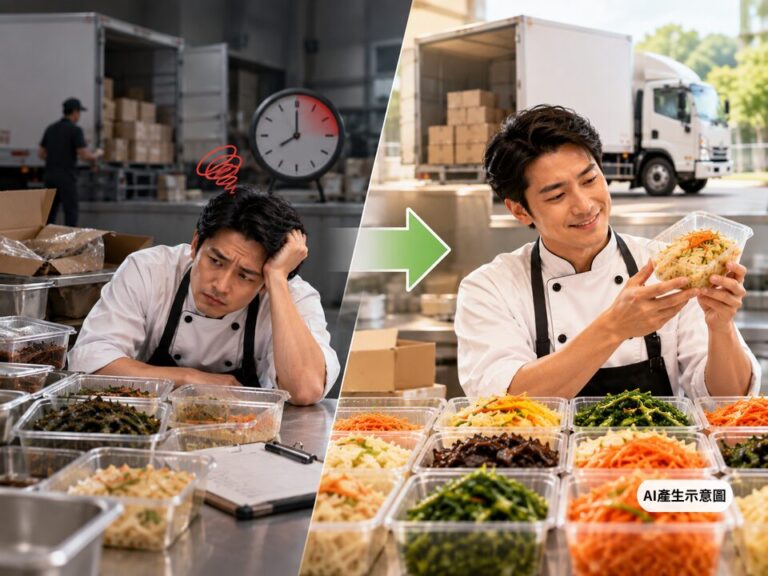
Restaurant and the sameRestaurant side dish supplierOver time, it's inevitable that you'll encounter issues like price adjustments, stockouts, delivery delays, or differences in product quality.
Table of Contents
ToggleBut if a problem occurs, is it necessary to immediately change suppliers?
That's not necessarily true.
Changing suppliers also incurs costs, including re-testing, confirming specifications, adjusting menus, calculating portion sizes, and establishing new ordering processes. Therefore, what truly needs to be observed is whether the problem recurs and begins to affect food preparation, costs, or operational efficiency.
If the following conditions persist, the current situation can be reassessed.Side dishes for businessSupply sources.
1. Stockouts or delays will affect the menu.
No matter how delicious the product is, if you frequently can't get it in stock, it's difficult to establish a long-term partnership.
Especially for convenience stores, set meal stores, group meal or fixed set meal restaurants, if commonly used side dishes are out of stock, it may directly affect the serving of meals.
An occasional logistics delay may not necessarily require a replacement, but if temporary stockouts become the norm, it is worth reassessing.
2. The quality of the same side dish is inconsistent.
When purchasing large quantities of vegetables for business use, stability is very important.
If the same product frequently has inconsistent flavors (too salty or too bland), large differences in ingredient size, different sauce ratios, or inconsistent textures after thawing, it will increase the difficulty of on-site management.
A single batch of anomalies can be reported first, but if the problem persists, other products or supply sources should be considered.
3. The unit price didn't increase, but the actual cost rose.
Restaurants shouldn't just look at "how much a pack costs".
For example, if a package could originally be divided into 25 portions, but later it can only be divided into 22 portions, even if the price remains the same, the cost per portion still increases.
Thawing losses, extra handling time, or packaging that is inconvenient to handle will all increase costs.
What should really be compared is:
Purchase price + labor costs + losses + actual number of meals that can be served.
4. The restaurant's size has changed, but the supply methods haven't kept up.
As restaurants expand from a single store to multiple locations, or begin accepting corporate meal boxes, group meals, and large orders, their original packaging, delivery, and ordering methods may no longer be suitable.
If existing supply methods are impacting efficiency, then it's possible to find methods that better meet current demand.Restaurant side dish supplier.
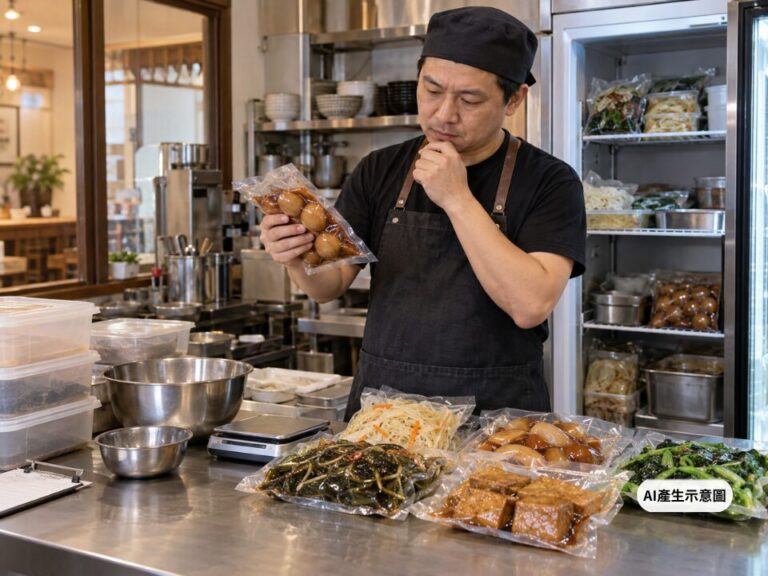
5. Difficult to handle when problems occur.
Food supply disruptions are inevitable; the key is to be able to handle them quickly.
If there are errors in quantity, abnormal packaging, or stockouts, it is often difficult to find a designated contact point or to spend a lot of time confirming the issue, which increases the communication costs between purchasing and the site.
6. Product information is often unclear.
When purchasing food, restaurants need to know the product name, specifications, batch number, and purchase information.
If this information is frequently unclear, it becomes difficult to trace the source of problems. Therefore, in addition to price and taste, the completeness of product information should also be included in the cooperation evaluation.
7. Despite repeated complaints, the same problem persists.
To determine whether to switch suppliers, consider this:
After the problem occurred, was there any improvement?
If it's just an occasional delay, and the supplier explains and makes improvements, it usually doesn't require immediate replacement.
However, if shortages, inconsistent quality, or slow notifications have been reported multiple times and the problems continue to occur, it means that the cooperation method may need to be re-examined.
If a problem occurs, is it always necessary to change suppliers?
uncertain.
Restaurants can first distinguish between "occasional problems" and "persistent problems".
For a single logistics delay or batch anomaly, you can record and observe it first; however, if the same problem occurs repeatedly and begins to affect the menu, food preparation, manpower, or costs, you should start looking for alternative solutions.
In short:
It's not about replacing it every time a problem occurs, but rather reassessing it when there's no improvement over a long period.
Restaurants can quickly determine the quality of their food by asking these 5 questions.
- Has the same problem occurred repeatedly in recent months?
- Has this affected the menu or normal food preparation?
- Will the time and manpower required for remediation increase?
- After contacting the supplier, has there been any improvement?
- If supplies are suddenly unavailable, are there any alternative sources?
If multiple answers are "yes", you can start exploring other supply sources.
FAQ | Common Issues When Restaurants Change Side Dish Suppliers
Q1Should we switch suppliers if they raise prices?
Not necessarily. In addition to price, you should also compare product specifications, quantity, quality stability, and delivery and labor costs.
Q2Is it normal for items to be out of stock occasionally?
Occasional stockouts do not necessarily mean the product is unsuitable; the key is the frequency of occurrence and whether the supplier can notify the customer in advance.
Q3Do we need to prepare a second supplier?
If certain side dishes are important items on the regular menu, you can find out alternative sources in advance to reduce the risk of stockouts.
When should we switch? It depends on whether the partnership still meets our needs.
Restaurant selectionSide dishes for businessIn addition to price and taste, factors such as stable supply, consistent quality, actual cost, and efficiency in handling problems should also be considered.
If the problem recurs, fails to improve after communication, and is affecting normal operations, then a newer version can be compared.Restaurant side dish supplier.
Lanyang Foods offers a variety of side dishes and catering products for commercial use. If restaurants, lunch shops, catering companies, or chain restaurants are evaluating new supply sources, they can also inquire further based on their menu, usage volume, and product specifications.
Recommended restaurant side dish supplier: [Lanyang Foods]
Founded in 1984, Lan Yang Foods has now entered its 40th year. It is not only a Taiwanese brand but also an internationally renowned enterprise. We have built a food safety protection network in sync with the world, and have fully implemented… FSSC 22000,ISO 22000,HACCPFurthermore, through extremely rigorousEUCertified by the EU Food Safety Management System, and successfully exported to over 30 countries. Furthermore, many products have passed cleanliness verification, Halal certification, Kosher certification, and have won international flavor awards. We uphold the highest international standards to safeguard the trust of our domestic and international partners, ensuring that every batch of our products shipped overseas becomes a source of pride for Taiwan.
At Lan Yang Foods' production plant, every step of the process strictly adheres to Good Food Practices (FGMP) and Standard Sanitation Operating Procedures (SSOP). From farm to table, through the most rigorous and meticulous quality control, we ensure that every consumer can experience genuine safety, hygiene, and peace of mind while enjoying the delicious food.
If you have group purchase or wholesale needs, please feel free to contact Lan Yang Foods. You can call 02-2586-2555 #128 or add us as a friend on LINE on the right to inquire.