

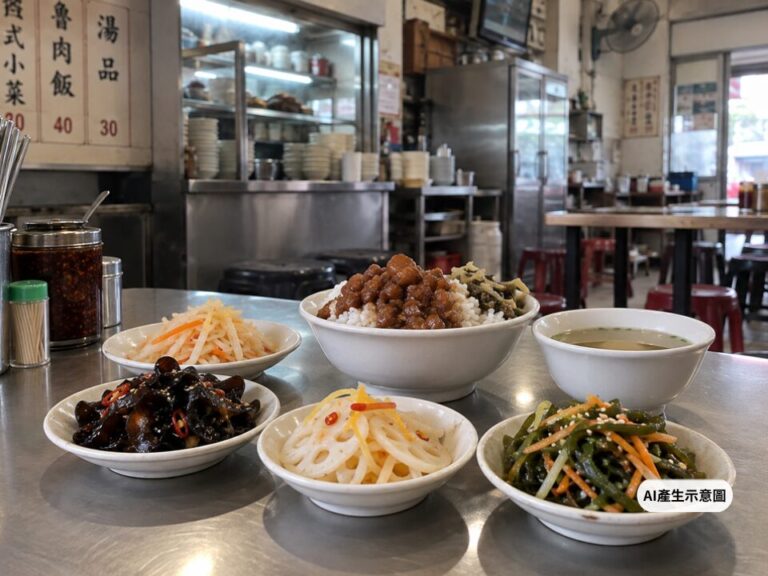
Autumn/winter set menus should be layered, not simply about making every dish richer and hotter. Stews, curries, fried foods, and hot soups provide warmth and a sense of fullness, while side dishes can utilize sweet and sour flavors and different textures to create a varied taste experience, avoiding a monotonous pile of strong flavors. In short, autumn/winter menus can adhere to four principles: "one hot, one cold; one rich, one light; one soft, one crisp; one deep, one bright." When selecting side dishes, restaurant owners can first consider what main courses are lacking, and then decide on suitable pairings.
Table of Contents
ToggleTherefore, when choosing side dishes for takeout and delivery bento boxes, one should not only consider taste, but also whether they fit into the container, whether they are prone to leaking liquid, and whether their appearance remains stable after delivery. Wholesale Japanese frozen side dishes, if properly matched, can help catering businesses improve food preparation efficiency and container quality.
At this time,Japanese-style frozen side dishes wholesaleThis can become an important tool for menu rotation. By pairing side dishes with different flavors, colors and textures, businesses can make the side dishes for bento shops, group meals and central kitchens more stable and more varied without significantly increasing the number of kitchen staff.
Why do autumn/winter set meals need side dishes?
Autumn and winter menus often include braised, stewed, curried, and fried dishes. These dishes have a strong aroma and a lot of sauce. If the side dishes are also similarly salty-sweet or braised, the whole set meal can easily feel heavy.
Side dishes for business use can change the taste through sour and sweet flavors, contrast the soft main dishes with crisp, bouncy and smooth textures, and can also be supplemented with seaweed, root vegetables, mushrooms or beans, and use different colors to increase the variety of dishes.
Four principles for pairing side dishes with autumn/winter menus
Four principles for pairing side dishes with autumn/winter menus
1. One hot, one cold
Autumn and winter set meals can primarily feature hot dishes, but not every dish needs to be hot. Pairing a cold side dish with a hot soup or stew can add warmth and texture variation. Whether frozen side dishes for commercial use need to be heated should still be determined according to the product instructions.
2. One strong, one weak
If the main course is curry, braised, or teriyaki, you can choose side dishes with grapefruit, vinegar, fruit, or lighter flavors to avoid similar sauces appearing consecutively and make the whole meal less greasy.
3. One soft, one crisp
Stews, bean dishes, and root vegetable dishes tend to be softer, so they can be paired with chewy ingredients such as wood ear mushrooms, lotus root, wakame seaweed, or papaya. This variation in texture creates more depth and flavor than simply increasing the number of side dishes.
4. One dark, one bright
Braised and stewed dishes often have a brownish color. Adding lotus root, red and yellow bell peppers, seaweed, edamame, or black beans can make the colors easier to distinguish. When using takeout containers, be careful not to let sauce seep into the rice or other side dishes to avoid mixing the whole container after delivery.
There is more than one style of cooking for commercial side dishes.
In addition to Japanese style, side dishes used in the catering industry can also include Thai, peppery, vinegar-pickled, braised, and fruity flavors. When selecting side dishes from restaurant suppliers, you can first consider whether the set meal needs to "cut through the richness", "enhance the texture", "make up for the portion size" or "add color", without limiting all side dishes to the same culinary style.
Fried and pan-fried dishes can be paired with grapefruit-scented, vinegar-scented, or fruity side dishes; braised and curry dishes can be paired with lotus root, wood ear mushrooms, or seaweed; soup noodles and hot pot dishes are suitable for side dishes with less sauce and easy to pick up; vegetarian main dishes can use mushrooms, roasted gluten, or beans to increase texture and portion size.
For example, pomelo-flavored lotus root and vinegar-flavored wood ear fungus can be placed next to fried dishes or stews; pepper-flavored Sichuan ear fungus adds a chewy texture with wood ear fungus; kelp mushrooms can supplement a milder-tasting staple food; and roasted gluten and bamboo shoots can increase the perceived portion size of a set meal.
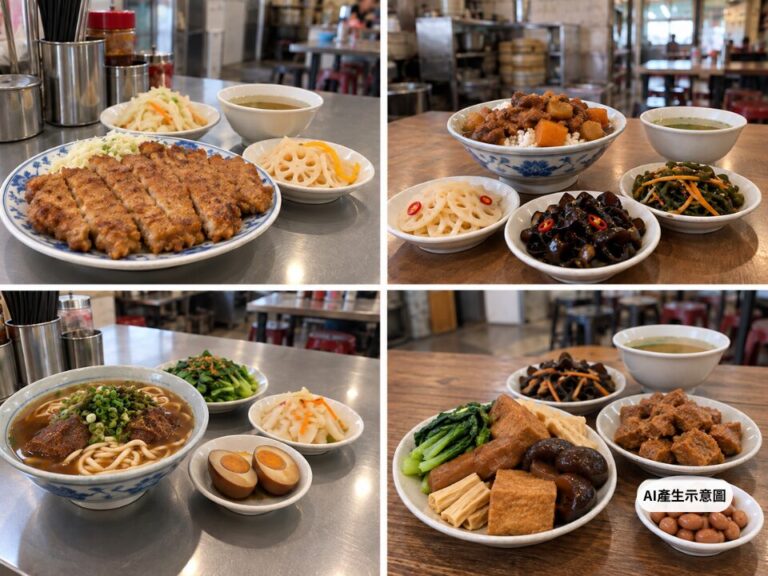
Three examples of autumn/winter meal sets
Fried food set meals can be paired with pomelo-flavored lotus root and simmered black beans to reduce the greasiness with their sour and creamy texture.
Winter stew set meals can be paired with Japanese-style wakame shreds and Sichuan-style spicy fungus, utilizing different textures and flavors to avoid the main course being too monotonous.
For autumn and winter, exotic meal boxes can be made by pairing curry or spiced main dishes with Thai papaya salad, vinegared wood ear fungus and seasonal vegetables to increase the sourness and flavor and texture.
Four key points for choosing a restaurant side dish supplier
When restaurant owners are looking for side dishes for their business, in addition to price, they can also assess whether a supplier is suitable for long-term cooperation based on the actual food preparation process.
- Taste with the main course: Just because it tastes good on its own does not mean that it will not be too salty, too sweet, or interfere with each other when added to the set meal.
- Test the food preparation status: Observe whether water is released, color changes, or the taste is affected after the ice is thawed, portioned, and the food is ready to be served.
- Calculate the actual number of servings: Do not only look at the package weight, but also record the amount of portioning, the sauce ratio, and the amount wasted.
- Confirm product labeling: vegetarian ingredients, five pungent spices, and allergens are different information, and the latest packaging should be used as the reference.
Lanyang Foods offers a variety of side dishes for commercial use, including shredded wakame seaweed, lotus root, wood ear mushrooms, various mushrooms, black beans, roasted gluten, and papaya. Restaurants, bento shops, catering companies, and central kitchens can choose suitable items based on the flavor of their main dishes, serving methods, and actual usage. Food service businesses looking for restaurant side dish suppliers or planning large-scale purchases are also welcome to inquire about cooperation. Actual vegetable types, specifications, and storage methods should be based on the latest product packaging.
Recommended supplier: Lanyang Foods
Founded in 1984, Lan Yang Foods has now entered its 40th year. It is not only a Taiwanese brand but also an internationally renowned enterprise. We have built a food safety protection network in sync with the world, and have fully implemented… FSSC 22000,ISO 22000,HACCPFurthermore, through extremely rigorousEUCertified by the EU Food Safety Management System, and successfully exported to over 30 countries. Furthermore, many products have passed cleanliness verification, Halal certification, Kosher certification, and have won international flavor awards. We uphold the highest international standards to safeguard the trust of our domestic and international partners, ensuring that every batch of our products shipped overseas becomes a source of pride for Taiwan.
At Lan Yang Foods' production plant, every step of the process strictly adheres to Good Food Practices (FGMP) and Standard Sanitation Operating Procedures (SSOP). From farm to table, through the most rigorous and meticulous quality control, we ensure that every consumer can experience genuine safety, hygiene, and peace of mind while enjoying the delicious food.
If you have group purchase or wholesale needs, please feel free to contact Lan Yang Foods. You can call 02-2586-2555 #128 or add us as a friend on LINE on the right to inquire.