
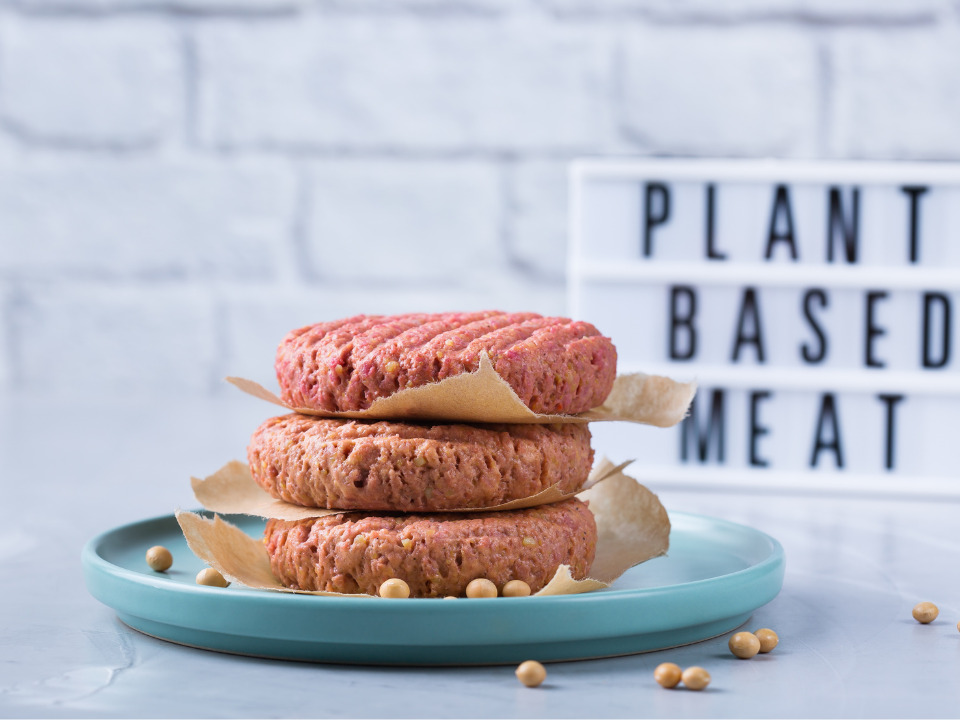
The global vegetarian cuisine trend is sweeping across the world. In the past, people were vegetarians mostly for religious reasons. In recent years, many people have chosen to be vegetarians for personal beliefs, love for animals and environmental protection. However, for those who are used to eating meat, switching to a vegetarian diet is a challenge. The rise of plant-based meat is a good opportunity for meat eaters to switch to a vegetarian diet without any pain. From the taste, color to the fiber feel, the realistic meat feel of plant-based meat can greatly reduce the gap in the eating habits of meat eaters. This article will show you what plant-based meat is, how difficult it is to make plant-based meat, and what is the difference between plant-based meat, traditional vegetarian meat and animal meat? In addition, we recommend two plant-based meat recipes for a painless switch to a vegetarian diet.
What is plant-based meat? What is the difference between it and vegetarian meat?
What is plant-based meat? I believe everyone will have a lot of questions. Plant-based meat uses soybeans, wheat, corn, peas, chickpeas, potatoes and other plant-based food raw materials as the main ingredients, and then adds seasonings or food additives for processing. The final product is similar to meat in appearance and taste. Traditional vegetarian meat is mostly made from soybeans and mushrooms, which usually give people the stereotype of being heavy in oil, salty, a little dry and woody, and even has a "beany flavor".
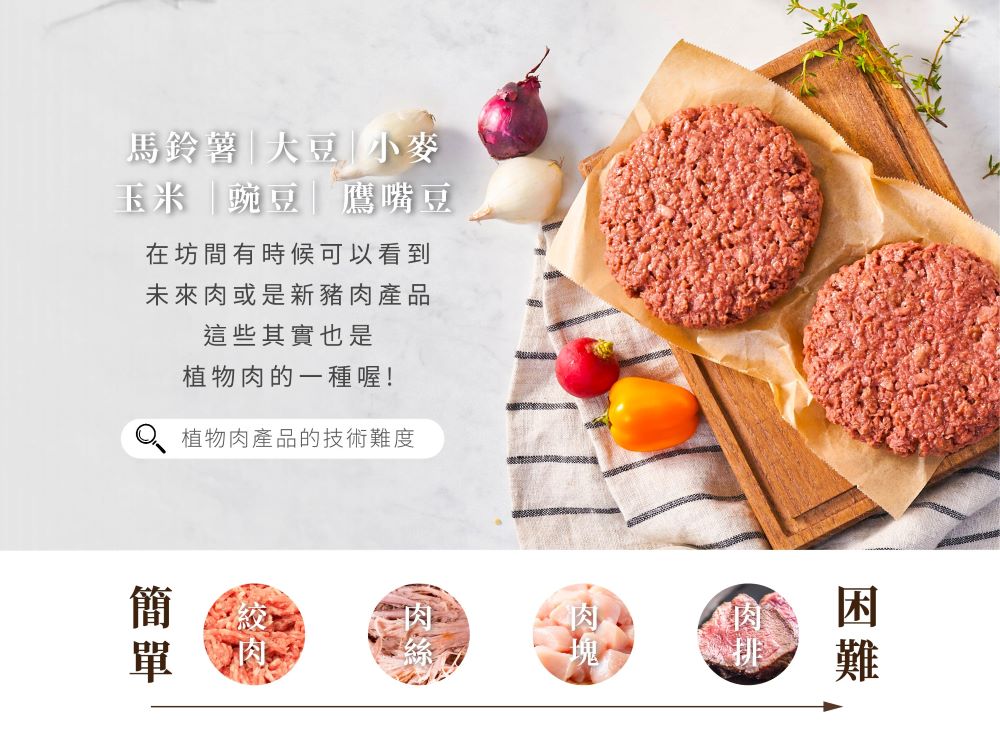
Plant-based meat products are mostly in the form of "ground meat" or "small chunks of meat", mainly because this structure is easier to manufacture than "steaks" or "large chunks of meat", has a low processing threshold, and this type of meat does not require the development of texture fibers. In order to enter the plant-based meat market, food manufacturers will first invest in developing this type of product.
On the contrary, plant-based meat products with a "steak" or "big chunk" structure require higher processing technology. Because of the pursuit of high standards of taste, flavor, and appearance, the development process requires more time and resources, making the number of plant-based steaks and chunks relatively limited. However, with the continuous advancement of technology, it can be expected that diversified plant-based meat options will appear on the market to meet the needs of consumers with different tastes and needs.
Comparison of plant-based meat, traditional vegetarian meat, and animal meat
| the plant meat | Traditional Vegan Meat | Animal meat |
Main raw materials | Barley, peas, chickpeas, etc. | Soybean, mushroom, etc. | Edible animals (such as chicken, cattle, sheep, etc.) |
nutritional value | Rich in protein and dietary fiber | Rich in soy protein | Rich in amino acids, providing complete protein for the human body |
Use Grease | Coconut oil, canola oil | Soybean Oil | Animal fats and oils |
Degree of processing | Common | Rare | Rare |
How to cook plant-based meat? 2 recommended plant-based meat dishes
Dish 1: Italian tomato meatball pasta (cooking time 20 minutes)
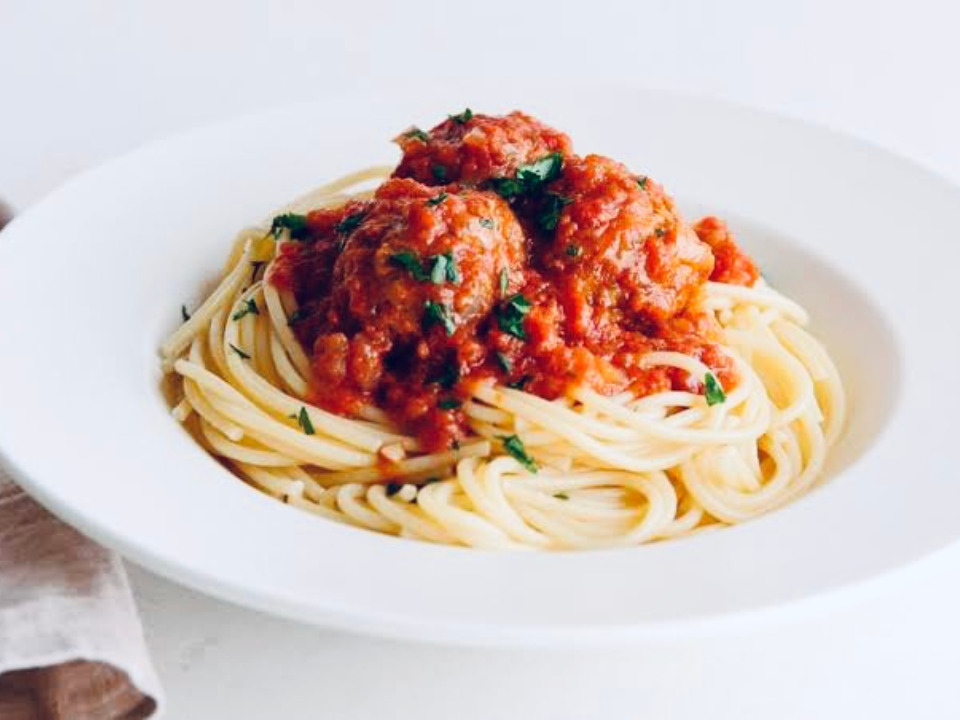
Ingredients:
- 7 vegetarian meatballs (If you want to save trouble, I recommend Lan Yang Food’sItalian Vegetarian Meatballs, already prepared tomato flavor)
- A little olive oil
- Italian pasta for one person
- A few cauliflowers,
- Some shredded cheese
- 1 can of canned tomatoes
- A little garlic
Cooking Method
- Place noodles in a noodle pot with a ratio of 1:10 and keep the heat high. Pour about 1/4 tablespoon of olive oil into the boiling water to prevent the noodles from sticking together.
- Preheat the olive oil, add the garlic and sauté until fragrant, add the canned tomatoes and simmer for 10 minutes.
- Heat the vegetarian meatballs in boiling water for about 15 minutes
- Mix the meatballs, broccoli, and fried tomato sauce into the pasta and sprinkle some cheese on top.
Dishes 2: Vegetable meat and seaweed rice dumplings (cooking time: 20 minutes)
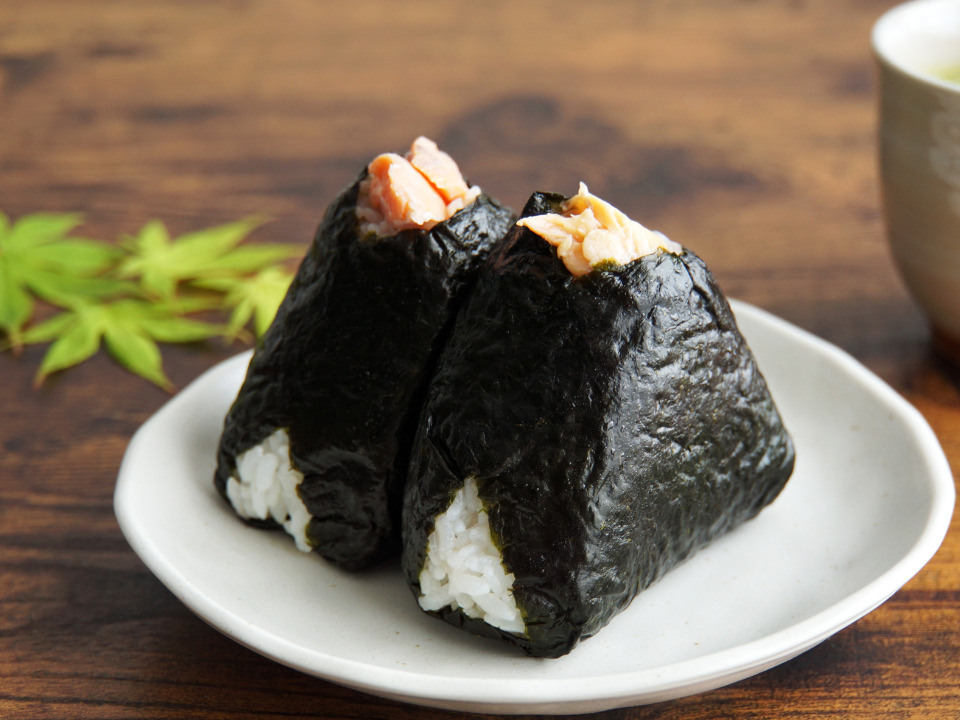
Prepare the ingredients:
One plant-based hamburger steak, 1 cucumber, 1 carrot, 2 sheets of seaweed, 1 bowl of white rice, a little white sesame seeds, a little sesame oil
Cooking method:
- Heat the pan, add oil and fry the burgers until both sides are golden brown.
- Pour white rice, white sesame seeds and sesame oil into a bowl and mix well with your hands.
- Cut the seaweed from the bottom to the center, then place the rice, hamburger steak, cucumber, carrot, etc. on the four corners in order and fold them in half. Wrap the rice with plastic wrap and you are done.
After reading this article, do you think that eating vegetarian food is not as difficult as you imagined? Lan Yang Food is committed to promoting vegetarian food. We have invested a lot of effort in the research and development of plant-based meat and various vegetarian dishes. We have all kinds of plant-based meat, from meatballs, steaks, meat sauce, braised meat, etc., so that vegetarian food can be easily integrated into your daily diet. While promoting vegetarian food, we also want to convey the importance of environmental protection and sustainable diet, so that everyone can start to think about the balance between environment and diet.
Further reading/
[Vegetarian and Environmentally Friendly] Can eating this way be more environmentally friendly? Four environmentally friendly eating methods revealed
[Sustainable diet] New diet, eating vegetarian and reducing carbon emissions is more effectiveeffect!