

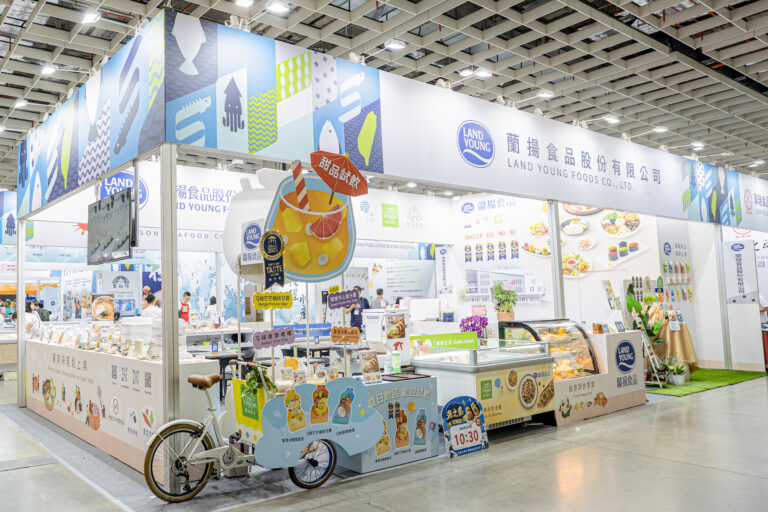
The 2026 Taipei International Food Show, which concluded last week, was like a live exam for food and beverage procurement.
Table of Contents
Toggle
The exhibition was held from June 24th to 27th at Taipei World Trade Center Hall 1 and Nangang Exhibition Center Halls 1 and 2, connecting five major exhibitions: food, processing machinery, packaging, and catering equipment. Official data shows that there were nearly 1,800 domestic and international exhibitors with 4,750 booths, attracting nearly 4,500 international buyers from 104 countries.
At the exhibition, new products, tastings, and supply chain exchanges were constantly taking place. However, for restaurants, chain brands, and central kitchens, the questions that ultimately came back to the office for discussion were very practical: Can the products keep up with peak meal times? Will the taste vary from batch to batch? Can suppliers coordinate with the stores and menu schedules?
This is also a key observation for Lanyang Foods at the Taipei Food Show. For catering businesses looking to wholesale frozen side dishes and Japanese side dishes, side dishes may seem like just a small dish next to the main course, but they can affect back-of-house efficiency, tableside experience, and even whether the taste is consistent across different stores.
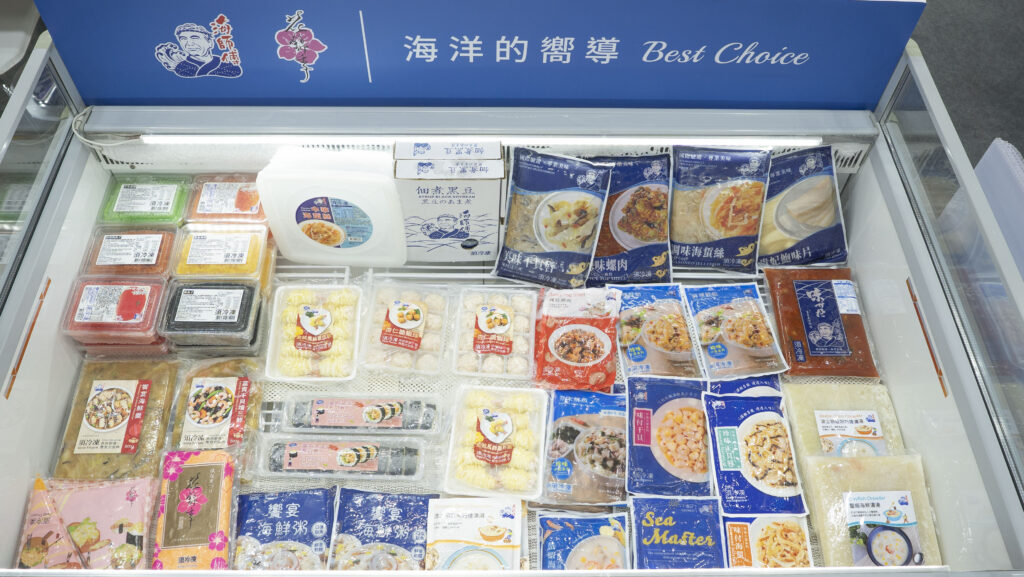
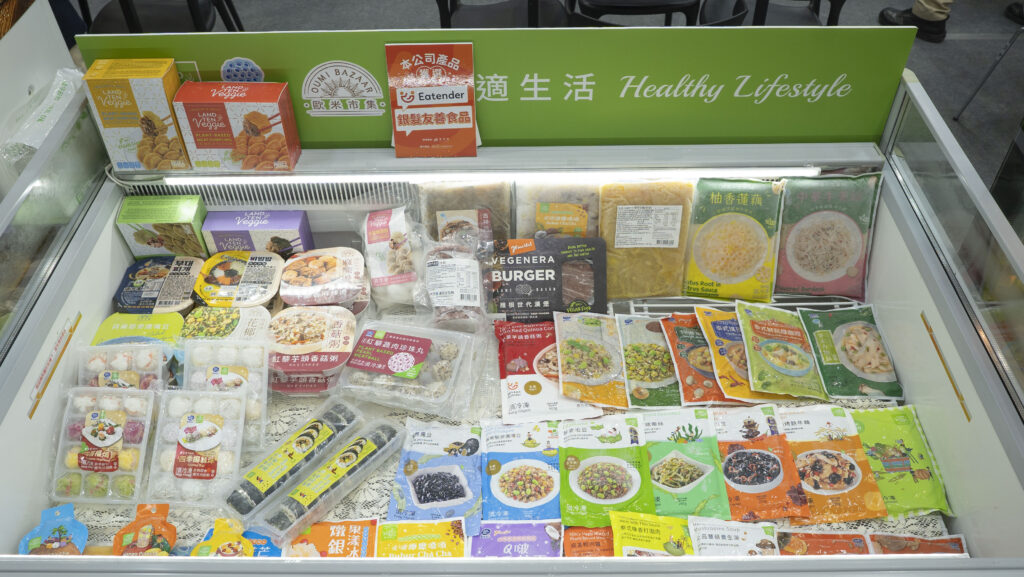
Why do restaurants use frozen side dishes? It's not just about convenience; it's about consistent food preparation.
The value of frozen side dishes lies not only in saving preparation time, but also in making it easier for restaurants to avoid disruptions during peak hours.
The catering industry is now facing not only labor shortages, but also rising rents, raw material costs, and customer expectations. If all side dishes are prepared on-site, the back kitchen needs to wash, cut, marinate, season, and package them, while also bearing the risk of different shifts producing different flavors.
However, if frozen side dishes are only considered as "cheap alternatives", it is easy to encounter problems such as water seepage after thawing, inconsistent portion sizes, and large differences in taste. In some cases, one batch may be delicious, but the next batch may taste like a completely different product.
Therefore, when restaurants introduce frozen side dish wholesalers, the real issue to be addressed is not "whether or not there are side dishes," but whether the taste, specifications, and supply rhythm can be managed.
Japanese side dish wholesalers, in particular, pay close attention to detail. Seaweed sprouts, fish roe, pickled vegetables, bean products, or appetizers—if the flavor is too strong, it will overpower the main course; if it's too weak, it won't leave a lasting impression. For Japanese restaurants, hot pot restaurants, or yakiniku restaurants, side dishes are not just supplementary ingredients, but rather stable, memorable elements alongside the main course.
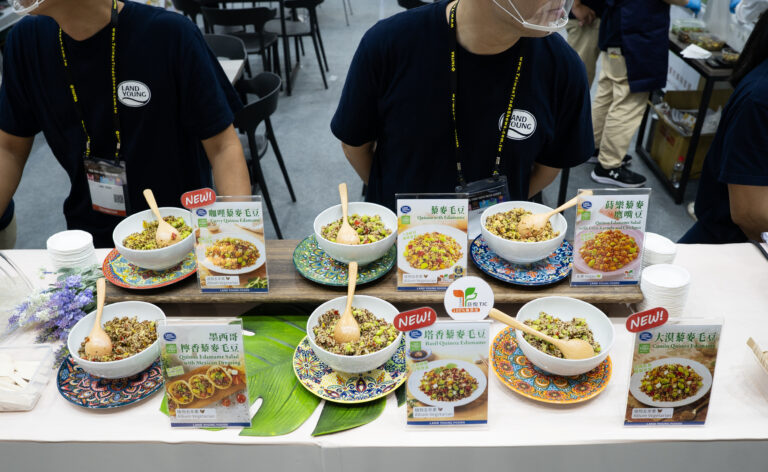
When selecting frozen side dish wholesalers at a food expo, what questions should buyers ask first?
Tasting at the food exhibition is only the first step; a savvy food procurement professional will not be swayed by the first taste alone.
After tasting, the real questions to ask are: Will the flavor deteriorate with large-scale supply? Can the specifications be coordinated with back-end operations? Can the spiciness, saltiness, portion size, or packaging be adjusted according to the brand? Will the supplier communicate in advance if there are fluctuations in raw material prices?
Lan Yang Foods Chairman Lu Gentian started his business in food wholesale, and has since expanded into prepared foods, raw material procurement, and catering supply chain management. In an interview, he mentioned, "When cooperating with clients, we care not only about the product itself, but also about four things: quality, supply, price, and customization."
He believes that suppliers cannot simply hand over a package of products; they must understand the entire restaurant operation behind the scenes. Once a product is on the menu, a sudden supply disruption could force the restaurant to change its menu, find alternatives, or even impact in-store services.
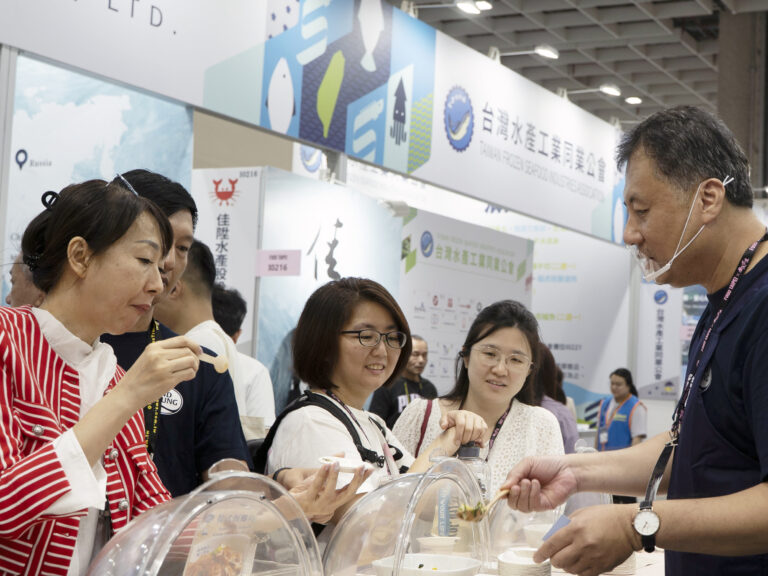
What's the biggest fear when wholesaling Japanese side dishes? It's not that they don't taste good, it's that each batch tastes different.
Japanese side dishes may look simple, but the biggest problem isn't a lack of uniqueness, but rather the variation between batches.
The same side dish might taste perfect one day, but if the next batch has different levels of saltiness, sourness, crispness, or water content, the restaurant staff will immediately feel the pressure. For chain restaurants, this difference is even more pronounced, because each branch needs to serve a nearly identical taste.
Lu Gentian explained from a food processing perspective that having the same formula ratio does not mean that every batch will taste exactly the same. Natural raw materials have differences in dryness, moisture content, and yield after processing. If these differences are not continuously corrected during the production process, the taste may be too strong or too weak.
Therefore, the capability of frozen side dish wholesalers lies not only in seasoning, but also in ensuring that restaurants can use every batch of their products with confidence. From raw material acceptance, pre-processing, seasoning, freezing, storage to delivery, every step can affect the final bite served.
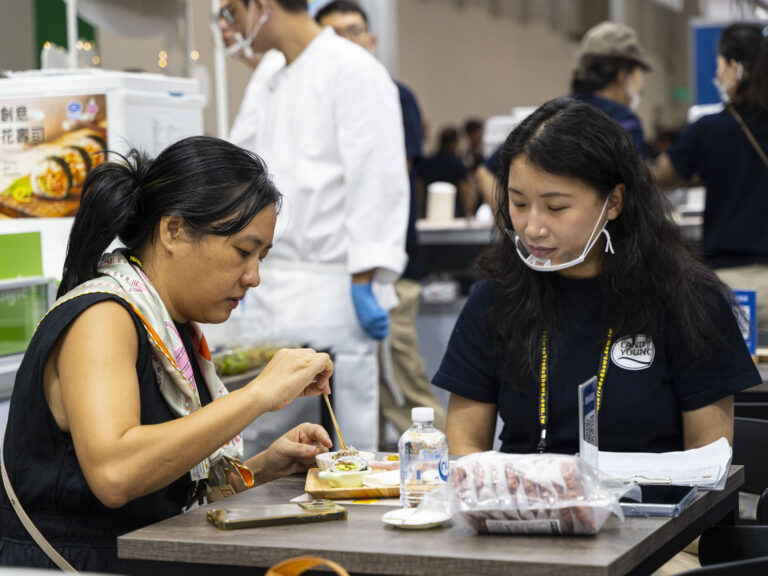
How to choose a frozen side dish supplier? First, consider their supply, quality control, customization capabilities, and price negotiation.
Lu Gentian suggests that restaurant owners should consider at least four things when evaluating frozen side dish wholesalers or Japanese side dish wholesalers:
First, assess whether the delivery date and supply schedule are controllable. Once a side dish is on the menu, it's no longer just a supporting element, but an integral part of the operation. Whether the supplier understands seasonal production, inventory, delivery dates, and raw material price fluctuations will directly impact future cooperation.
Secondly, check if the taste and specifications are consistent. Restaurants aren't afraid of having unique products; what they fear most is having unique features only in the first batch. Maintaining consistent taste, portion size, and overall performance across different batches is a crucial factor for both central kitchens and chain restaurants.
Third, consider whether you can communicate customized needs. Different brands have different flavor profiles; some require spicier flavors, others a lighter one, and they may also need to match packaging or specifications. If a supplier can only provide fixed items, their flexibility will be limited.
Fourth, check if price changes can be communicated in advance. The raw material market cannot remain unchanged forever, but mature suppliers will let customers understand possible adjustments in advance, rather than passively accepting them after the restaurant has already finalized its menu.
For food service operators, food exhibitions are not just about seeing new products, but also an opportunity to re-examine their supply chains. Wholesaling frozen side dishes and Japanese side dishes is not just about finding a product, but about finding a partner to work with on menus, retail, and customer experience.