

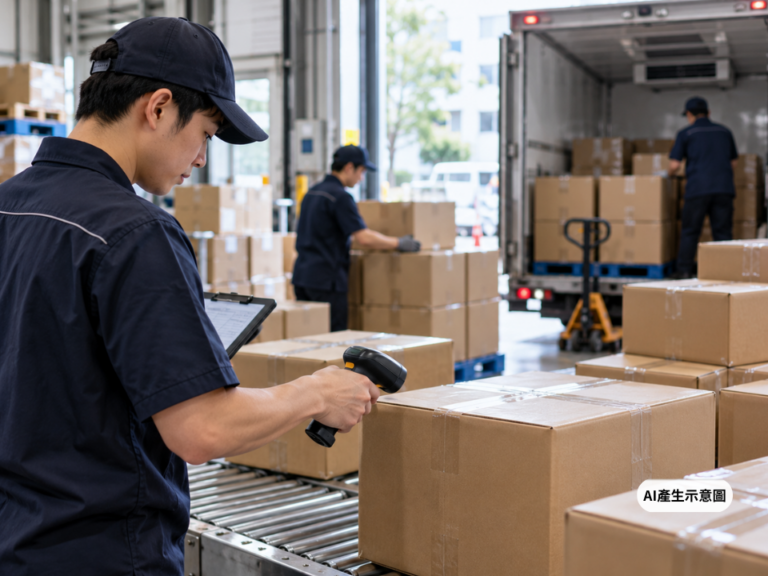
With 15 stores across northern, central, and southern Taiwan, each with varying usage, needs, and menu cycles, the biggest headache for the chain's purchasing manager is often not the quality of the products, but rather "how to schedule deliveries to these 15 stores without chaos." Incorrect delivery frequency leads to high inventory pressure; inefficient cross-regional dispatching causes stockouts at stores; and slow processing of urgent orders results in missed business opportunities.
Table of Contents
Toggle
Many restaurants treat delivery as just "delivery," butWhat truly affects the operational rhythm is whether the delivery plan matches the restaurant's cycle.This article analyzes the variables that determine the frequency of "wholesale vegetables for business use," the core principles of cross-regional dispatching across multiple stores, the reasonable expectations for handling urgent orders, and the standards for evaluating cold chain logistics from the perspective of logistics practices in chain restaurants.
The seemingly inexpensive "wholesale side dishes for business use" may actually cost more than homemade if the cold chain, inventory management, and acceptance process are not done properly.A truly effective purchaser doesn't focus on the unit price of goods, but rather on whether there are any loopholes in every step from delivery to serving.This article, from the perspective of cost control in chain restaurants, breaks down four common sources of loss and provides preventative standard operating procedures (SOPs) that restaurants can immediately establish.
How does Lanyang Foods' distribution arrangement work?
Taking Lanyang Foods as an example, the company conducts weekday procurement across Taiwan.Daily deliveryAnd matched according to different regions 5 logistics companiesThis collaboration addresses the delivery needs of restaurants across different regions. This means that restaurants in the north, central, and south can receive a stable delivery service during normal working days, without worrying about reduced delivery frequency due to geographical location.
If you need to add an order temporarily, you can do so through [method/mechanism].Black Cat Delivery ServiceProcessing, usuallyDelivery can be as fast as the next day.This approach to handling urgent orders allows buyers to have a relatively quick remedial channel when faced with unexpected situations (such as a surge in customer traffic or forgetting to prepare inventory in advance), preventing a complete breakdown in supply.
How should delivery frequency be determined to be reasonable?
The frequency of delivery depends on three variables: restaurant inventory capacity, monthly purchase volume, and menu change frequency. A reasonable delivery frequency is usually arranged flexibly according to demand, and chain systems can adjust the ordering cycle according to the usage of each store.
Variable 1 | Restaurant inventory capacityRestaurants with large cold storage facilities can accept large single deliveries and reduce delivery frequency; restaurants with small cold storage facilities need to increase delivery frequency but reduce the quantity per delivery. This is the most basic space limitation.
Variable 2 | Monthly Purchase VolumeRestaurants with large monthly purchase volumes (chain headquarters or restaurants with high table turnover rates) typically require more frequent deliveries; independent restaurants with smaller monthly purchase volumes can arrange deliveries based on actual needs. Frequency and volume must be matched to avoid wasting delivery costs.
Variable 3 | Menu Change FrequencyRestaurants with relatively stable menus (such as Japanese restaurants and hot pot restaurants) can deliver fixed items at a fixed frequency; restaurants with frequently changing menus (such as creative cuisine or seasonal dishes) require more flexibility in their delivery planning.
Since Lan Yang Foods can deliver throughout Taiwan on weekdays, buyers can flexibly arrange their ordering frequency weekly or bi-weekly according to their actual store usage, without having to accommodate fixed delivery dates.
How to schedule cross-regional deliveries across multiple stores?
There are three core principles for multi-store cross-regional distribution: centralized regional distribution (reducing logistics costs), unified scheduling of common items (reducing inventory discrepancies), and an emergency replacement mechanism (to avoid stockouts in individual stores affecting operations). Chain purchasers should plan these three aspects in advance with suppliers.
Principle 1 | Centralized Regional Distribution| Same-day delivery can be arranged for stores in the same area (e.g., 5 stores in Taipei City), reducing logistics costs. Lan Yang Foods partners with 5 logistics companies to handle different regions, ensuring stable delivery within weekdays even for cross-regional deliveries.
Principle 2 | Unified scheduling of common itemsFor items used by multiple stores, the headquarters will centrally estimate the annual usage, negotiate with suppliers, and then allocate supplies according to the needs of each store. This scale of efficiency allows the headquarters to secure better cooperation terms.
Principle 3 | Emergency Replacement MechanismIf a store suddenly runs out of stock (due to a surge in customer traffic or operational errors), can nearby stores provide support? Can suppliers quickly replenish stock? Taking Lan Yang Foods as an example, urgent orders can be handled through Black Cat Delivery Service, with delivery as fast as the next day, which is a practical channel for the chain headquarters to deal with sudden stock shortages.
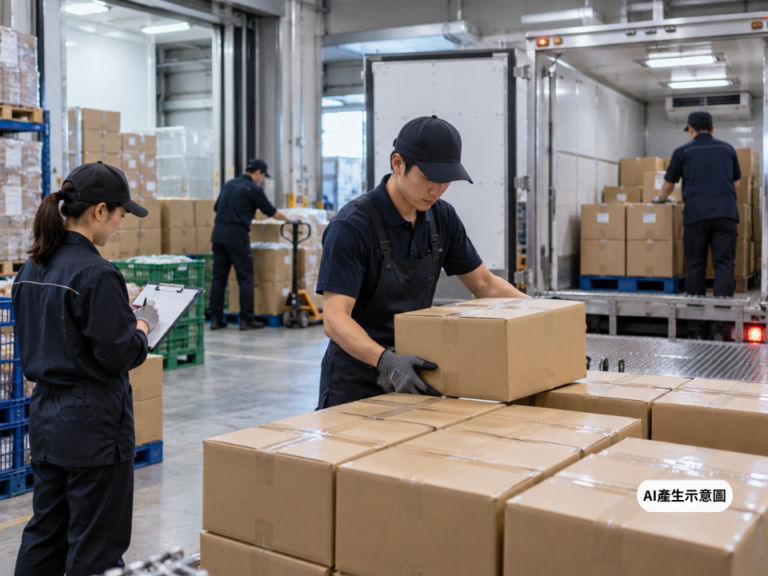
What is a reasonable expectation for handling urgent orders?
The reasonable expectation for handling urgent orders varies depending on the nature of the urgent shipment. If it is an increase in the quantity of existing items, it can usually be delivered the next day through express delivery channels; if it is a new item or a custom item, production needs to be rescheduled, involving raw material procurement, production line arrangement, and quality control processes, which will take longer.
Type 1 | Increase the quantity of existing items| Suppliers have stock on hand, making it relatively easy to increase shipments. Taking Lanyang Foods as an example, they handle urgent orders through Black Cat Delivery Service, with delivery as fast as the next day, which can meet most temporary replenishment needs.
Type 2 | New items or custom items| Production needs to be rescheduled. From raw material acceptance to multi-level trial runs and quality evaluation, the whole process will take about a month. It's not a "order today, arrive tomorrow" schedule.
Type 3 | Peak Season Rush OrdersDuring peak seasons such as Chinese New Year, Mother's Day, and Mid-Autumn Festival, suppliers' production capacity may be fully utilized, reducing the flexibility to handle rush orders. Chain store buyers should estimate peak season demand 30-60 days in advance to avoid last-minute order rushes.
How should we interpret cold chain logistics standards?
There are four criteria for evaluating a supplier's cold chain logistics: temperature control equipment on delivery vehicles, temperature monitoring records, delivery personnel training, and anomaly handling mechanisms. These four aspects directly affect the quality of the delivered goods, and purchasers should require suppliers to provide these specifications during the contract stage.
Standard 1 | Temperature control equipment for delivery vehiclesIs the delivery vehicle a professional refrigerated truck? This is the most basic hardware requirement.
Standard 2 | Temperature Monitoring RecordAre there temperature records available during the delivery process? Can any abnormalities be alerted immediately?
Standard 3 | Delivery Personnel TrainingHave the delivery personnel received cold chain operation training? Do they know how to handle parking and unloading, and how to prevent cold air leakage? These seemingly minor details actually affect the quality of the delivered goods.
Standard 4 | Exception Handling MechanismWhat is the supplier's handling mechanism if any abnormalities occur during the delivery process (such as vehicle malfunction, abnormal temperature, or time delay)? Will they proactively notify the customer? This reflects the supplier's service maturity.
FAQ
Q1 | Will suppliers refuse to cooperate with small and medium-sized restaurants if their delivery frequency is too low?
No. Taking Lanyang Foods as an example, delivery is available throughout Taiwan on weekdays. Small and medium-sized restaurants can flexibly arrange their ordering frequency weekly or bi-weekly according to their actual needs, without having to follow a fixed large-volume delivery schedule.
Q2 | If delivery delays affect restaurant operations, can I claim compensation from the supplier?
It's important to review the contract terms. Professional contracts typically stipulate that "compensation will be negotiated based on actual losses for delivery delays attributable to the supplier." However, force majeure events (such as typhoons or road closures) are usually not covered by compensation. These terms should be clearly defined before signing the contract.
Q3 | Does Black Cat Delivery Service, which handles urgent orders, apply to all items?
Rush orders via express delivery are typically suitable for increasing shipments of existing items. For new items or custom-made items that require rescheduling, express delivery cannot shorten the necessary processes of raw material acceptance and trial production. It is recommended to plan your needs in advance to avoid last-minute rush orders.
Conclusion | Proper delivery planning is essential for stable restaurant operations.
Delivery is not an add-on to procurement, but a crucial element of restaurant operations. From basic frequency and multi-store scheduling to handling urgent orders and cold chain standards, each aspect directly impacts a restaurant's food preparation efficiency and cost structure.
Lan Yang Foods offers daily weekday delivery throughout Taiwan, partnering with 5 logistics companies to cater to different regions. Urgent orders can be fulfilled the following day via Black Cat Delivery. Flexible delivery options are available for restaurants of all sizes and in different areas. Please contact our sales team through our website to plan a suitable delivery model based on your restaurant's needs.
Recommended restaurant side dish supplier: [Lanyang Foods]
Founded in 1984, Lan Yang Foods has now entered its 40th year. It is not only a Taiwanese brand but also an internationally renowned enterprise. We have built a food safety protection network in sync with the world, and have fully implemented… FSSC 22000,ISO 22000,HACCPFurthermore, through extremely rigorousEUCertified by the EU Food Safety Management System, and successfully exported to over 30 countries. Furthermore, many products have passed cleanliness verification, Halal certification, Kosher certification, and have won international flavor awards. We uphold the highest international standards to safeguard the trust of our domestic and international partners, ensuring that every batch of our products shipped overseas becomes a source of pride for Taiwan.
At Lan Yang Foods' production plant, every step of the process strictly adheres to Good Food Practices (FGMP) and Standard Sanitation Operating Procedures (SSOP). From farm to table, through the most rigorous and meticulous quality control, we ensure that every consumer can experience genuine safety, hygiene, and peace of mind while enjoying the delicious food.
If you have group purchase or wholesale needs, please feel free to contact Lan Yang Foods. You can call 02-2586-2555 #128 or add us as a friend on LINE on the right to inquire.